Further delay in implementing Council Directive 91/676/EEC of 12 December 1991 on protecting waters against pollution caused by nitrates from agricultural sources, through failure to designate nitrate vulnerable zones or designating only some of them, is unacceptable.
The Nitrates Directive addresses nitrogen compound pollution from diffuse agricultural sources with two aims: reduce existing water pollution and prevent it in future.
Transposing the Directive has been Ukraine’s obligation since signing the Association Agreement, yet sufficient implementation measures have not been taken. Another delay is now possible because there is no final common decision on vulnerable zones. The environmental ministry and State Water Resources Agency propose designating the whole country, while the agricultural ministry sees this as a restriction on agricultural businesses
In the initial River Basin Management Plans, the State Water Resources Agency proposed designating all Ukraine as nitrate vulnerable in the short term. There are now active initiatives to reverse this position, designate a much smaller area or designate no zones at all.
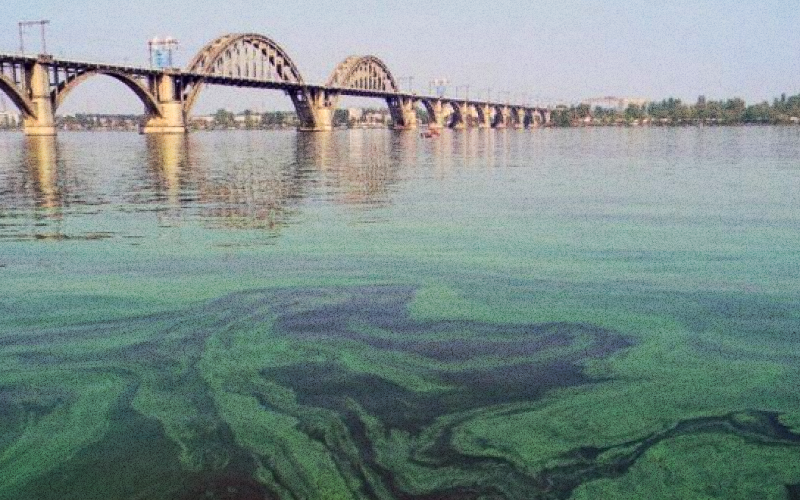
Postponing the Directive and revising the position on vulnerable zones is, however, neither appropriate nor justified. The Nitrates Directive matters first and foremost for protecting human health. Excessive nitrates in drinking water can be fatal for young children and cause poisoning and serious diseases, including cancer, in adults. In water bodies, nitrates cause algal blooms, toxic cyanobacteria growth, oxygen depletion and mass fish deaths. Removing nitrates is complex and costly, making prevention more sensible than dealing with the consequences.
Nitrates most often enter water bodies from agricultural sources. This pollution is difficult to assess because it cannot be measured at every point of origin, and Ukraine lacks the relevant monitoring system.
Alarming levels are already being recorded: more than 40% of well water samples in Zhytomyr, Sumy and Odesa regions exceed nitrate limits; over 30% in Rivne, Kharkiv and Khmelnytskyi regions; and over 25% in Volyn, Chernihiv and Vinnytsia regions. Algal blooms are spreading.
Ukraine has extensive agricultural land. On average, 54% of land is ploughed, exceeding 70% in some regions. Annual soil degradation losses total UAH 40–50 billion, including UAH 23–28 billion from lost humus and nutrients and UAH 17–22 billion from erosion. Systematic violations, including ploughing riparian buffer strips and steep slopes, worsen the problem. Livestock complexes breaching manure storage requirements also significantly contribute to nitrate pollution of land and water.
The Directive aims to improve water conditions, prevent further pollution and increase the efficiency of nitrogen substance use in agriculture.
Implementing it benefits not only health and the environment but farmers too, because it also prevents waste and improves farms’ use of nitrogen-containing materials such as fertilisers and manure. Under martial law and fertiliser shortages, with production dependent on the gas industry, agribusiness itself should be particularly interested in implementation. The Directive’s requirements also form part of the Common Agricultural Policy’s Good Agricultural and Environmental Condition standards (GAEC).
Given that EU agricultural best practices balance economic, social and environmental interests, delaying Council Directive 91/676/EEC of 12 December 1991 on protecting waters from agricultural nitrate pollution by postponing designation of vulnerable zones is unacceptable.
We therefore call for:
- Approval of River Basin Management Plans designating the whole of Ukraine as nitrate vulnerable.
- Updated implementation deadlines and measures reflecting the Directive’s objectives, focusing on (1) effective surface and groundwater monitoring; and (2) farmer awareness and training on its requirements and more efficient fertiliser use, with opportunities for public oversight of delivery.
Organisations supporting this position:
Environment-People-Law
Ecoaction Centre for Environmental Initiatives
WWF-Ukraine
Ekoltava
Flora
All-Ukrainian Water Treatment Association WaterNet
Ukrainian Nature Conservation Group
Green Dossier Information Centre
Osokorky Ecopark
Zero Waste Society
Rivers of Khmelnytskyi Region
Ecosphere
Our Home — Maniava youth environmental organisation
Synerhiia Centre for Democratic Youth Development
Plato
EcoClub
EcoLaw-Kharkiv
FORZA Agency for Sustainable Development of the Carpathian Region
Black Sea Women’s Club
Forest Initiatives and Society (ForestCom)
Eremurus Environmental Club
Centre for International Cooperation and Project Implementation
Ecoterra
SaveDnipro
Green Wave Ukrainian Environmental Club